The Rhode Island Blue Economy Strategy
Industry Overview
With the ocean covering 71% of the Earth’s surface, human life and commercial activity are inextricably linked to the water.
The global ocean economy is worth over $2.5 trillion annually and growing according to a recent United Nations Conference on Trade and Development (2021) Industries contributing to this impact include, but are not limited to:
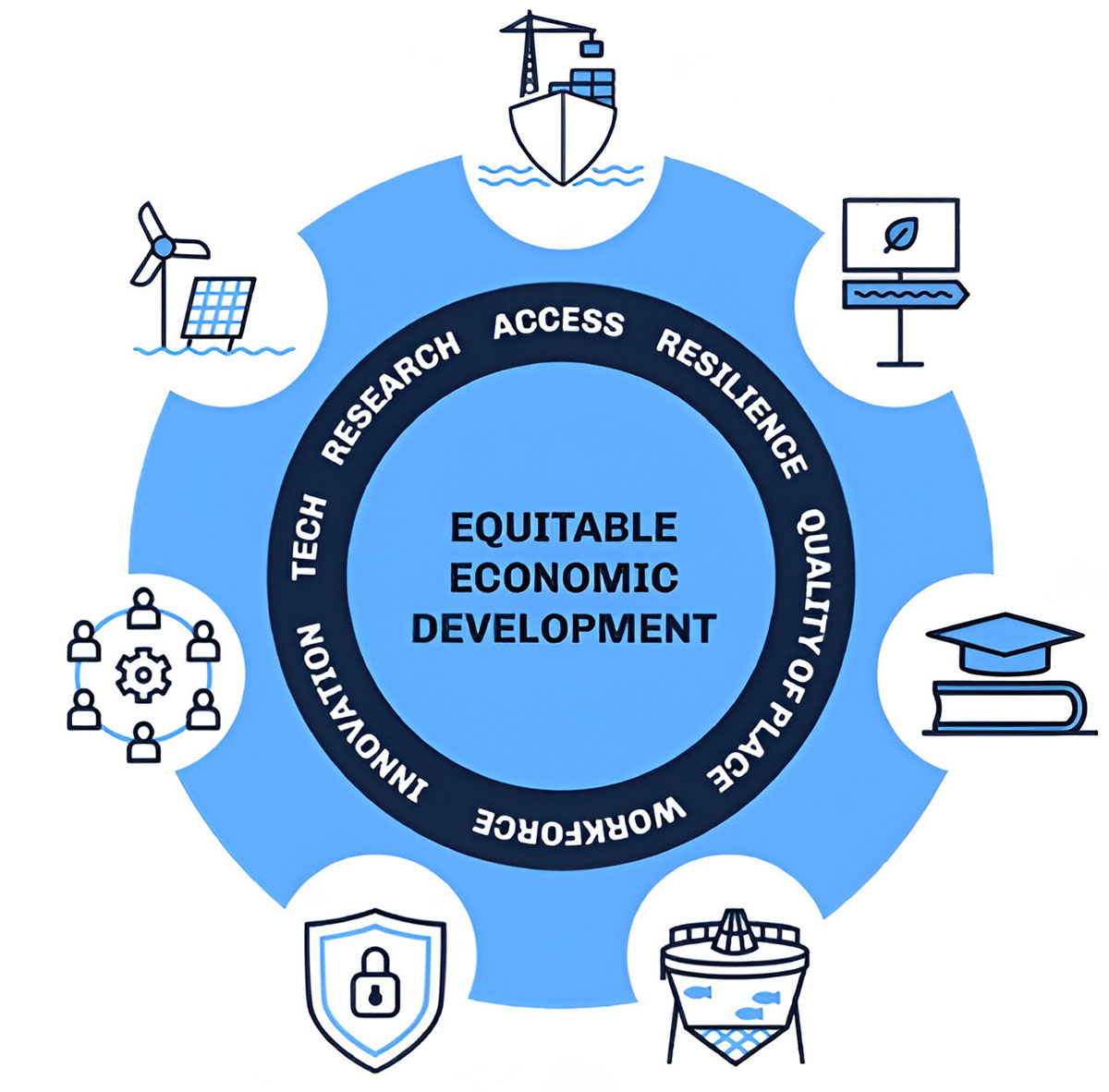

Ports and Shipping

Tourism and Recreation
Offshore Renewable Energy

Aquaculture and Fisheries

Marine Trades

Defense
With the ocean covering 71% of the Earth’s
surface, human life and commercial activity are inextricably linked to the water.
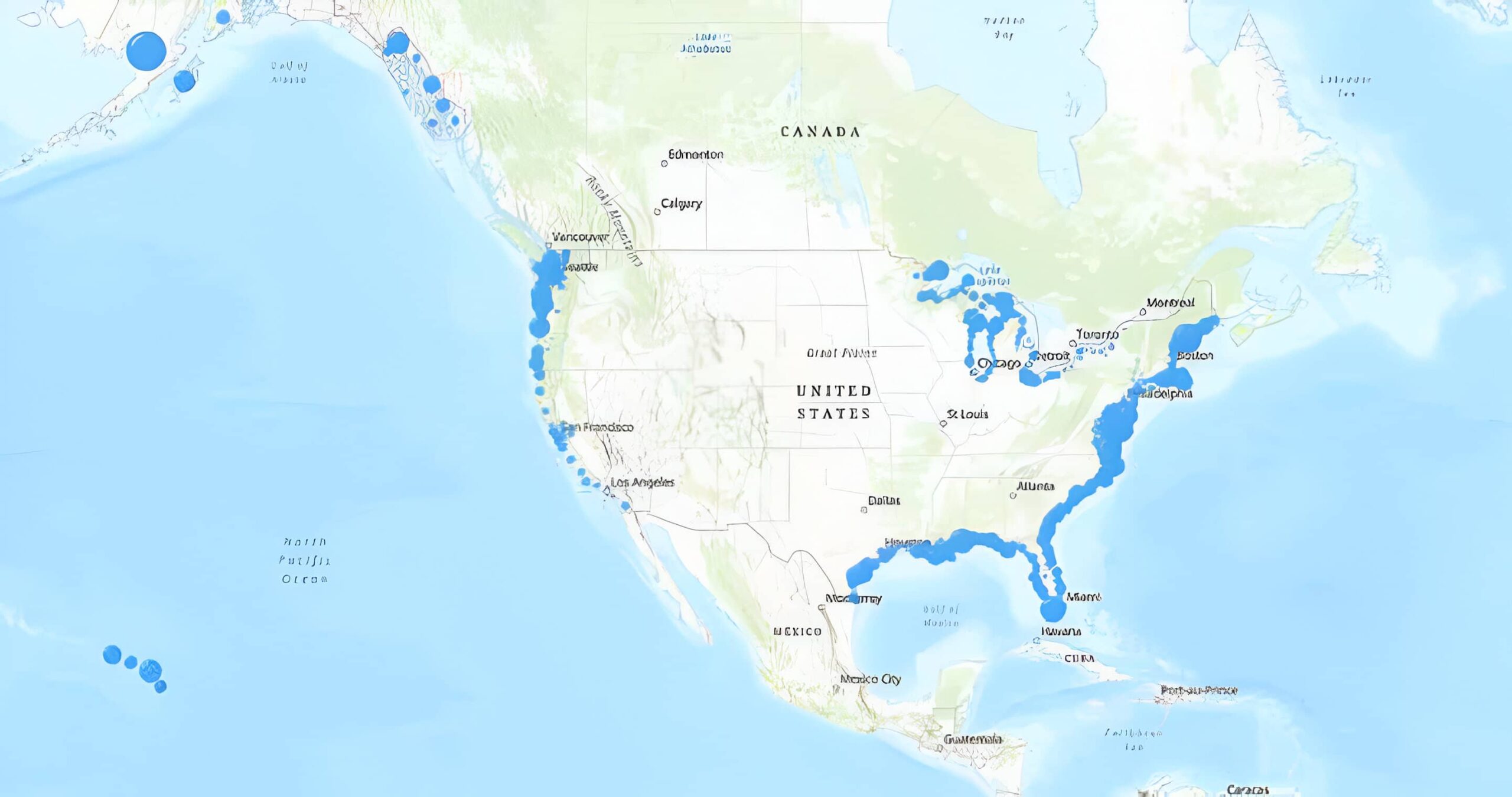
This large economic impact is often driven by industry clusters—“geographic concentrations of interconnected companies and institutions in a particular field.” In coastal regions across the United States, Blue Economy industry clusters are powered by population and activity centers, strong natural assets, and critical infrastructure for commerce, research and development (R&D), and collaboration. Often supported by public–private partnerships and other coordinating authorities, these clusters strengthen local and state economies, drive innovation, and position the United States as a global leader in Blue Economy activity—alongside nations such as China, members of the European Union, and Mexico.

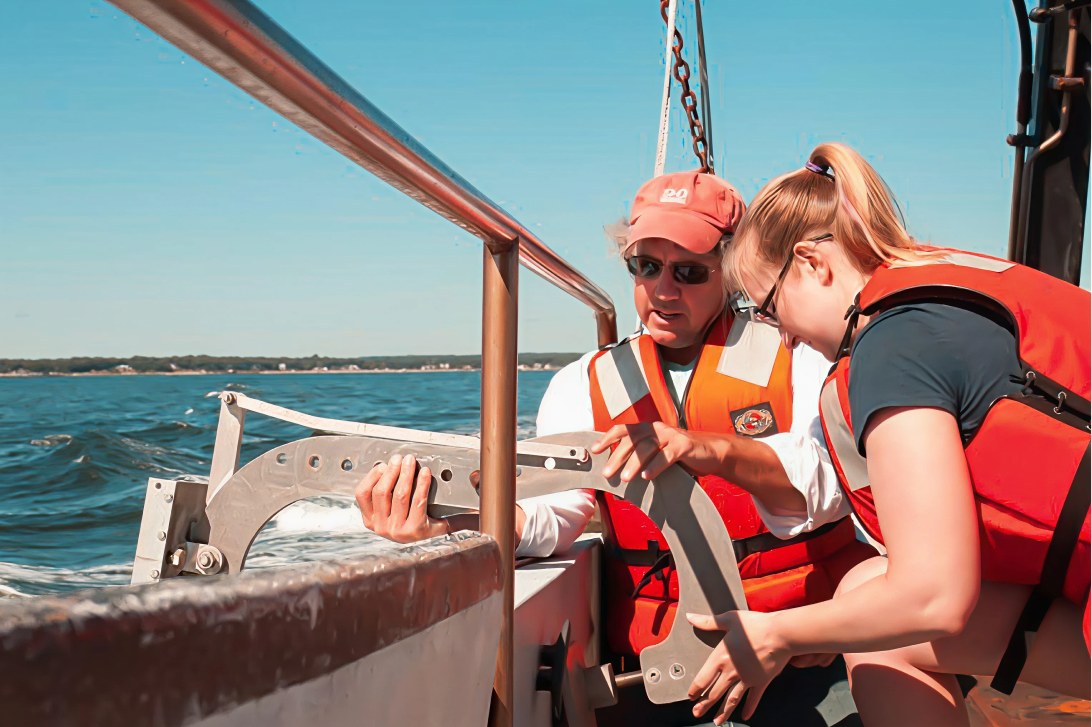
The United States’ Blue Economy continues to grow at a rate twice as fast as the national economy, presenting an opportunity for coastal communities to capture an increasing share of jobs, businesses, and overall productivity. This dynamic sector encompasses a wide range of enterprises—from fishermen and conservation laboratories to innovative aquaculture researchers and offshore wind turbine manufacturers. As America’s Blue Economy clusters expand and evolve together, these geographic regions are becoming increasingly influential, driven by rising productivity and specialized expertise in research, production, and technology.
In Rhode Island
In Rhode Island, we define the Blue Economy as “the sustainable use of the ocean and our water assets to create a resilient economy and good paying jobs”.
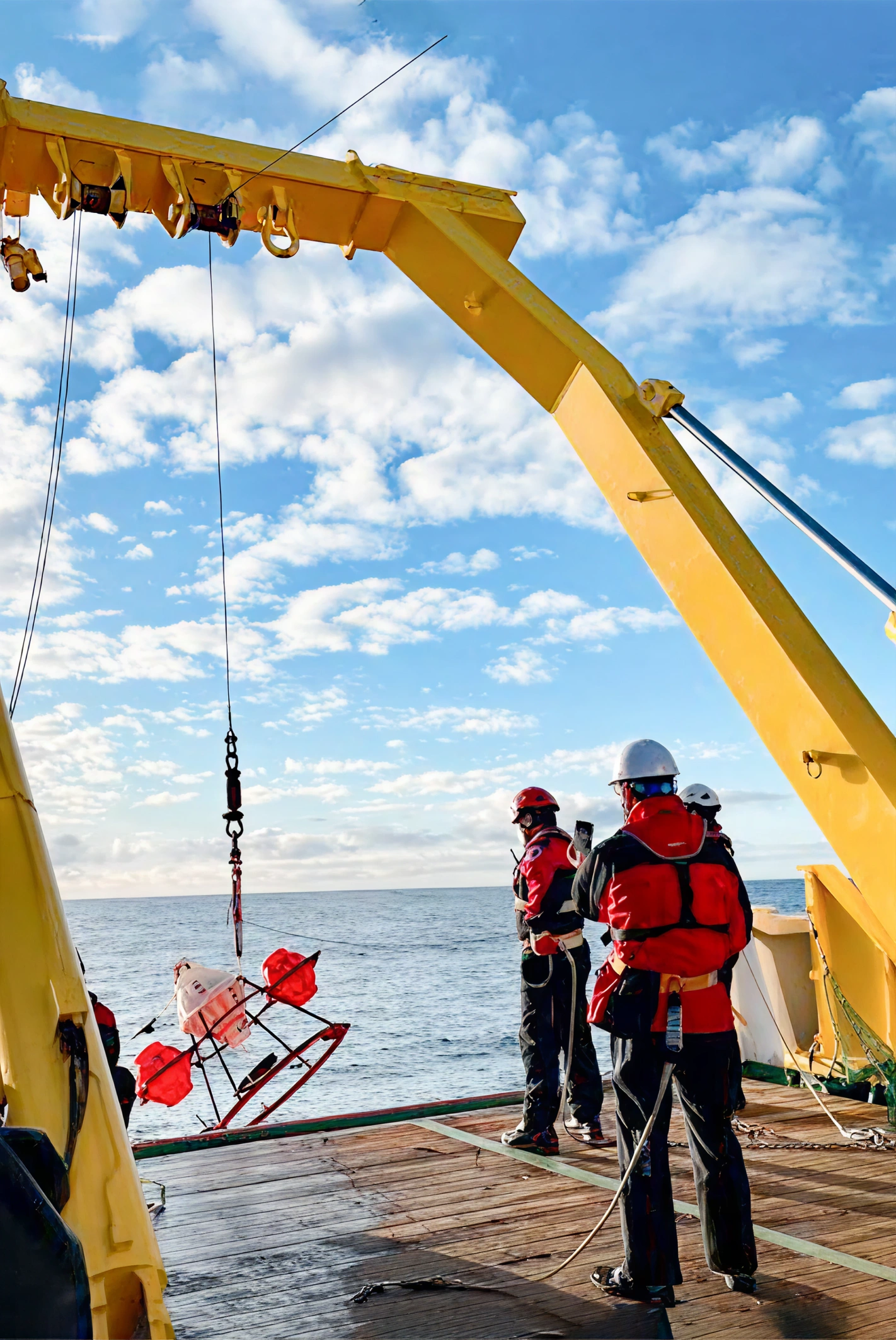
This Blue Economy Includes, but Is Not Limited To:

The people working to build and maintain offshore wind turbines.

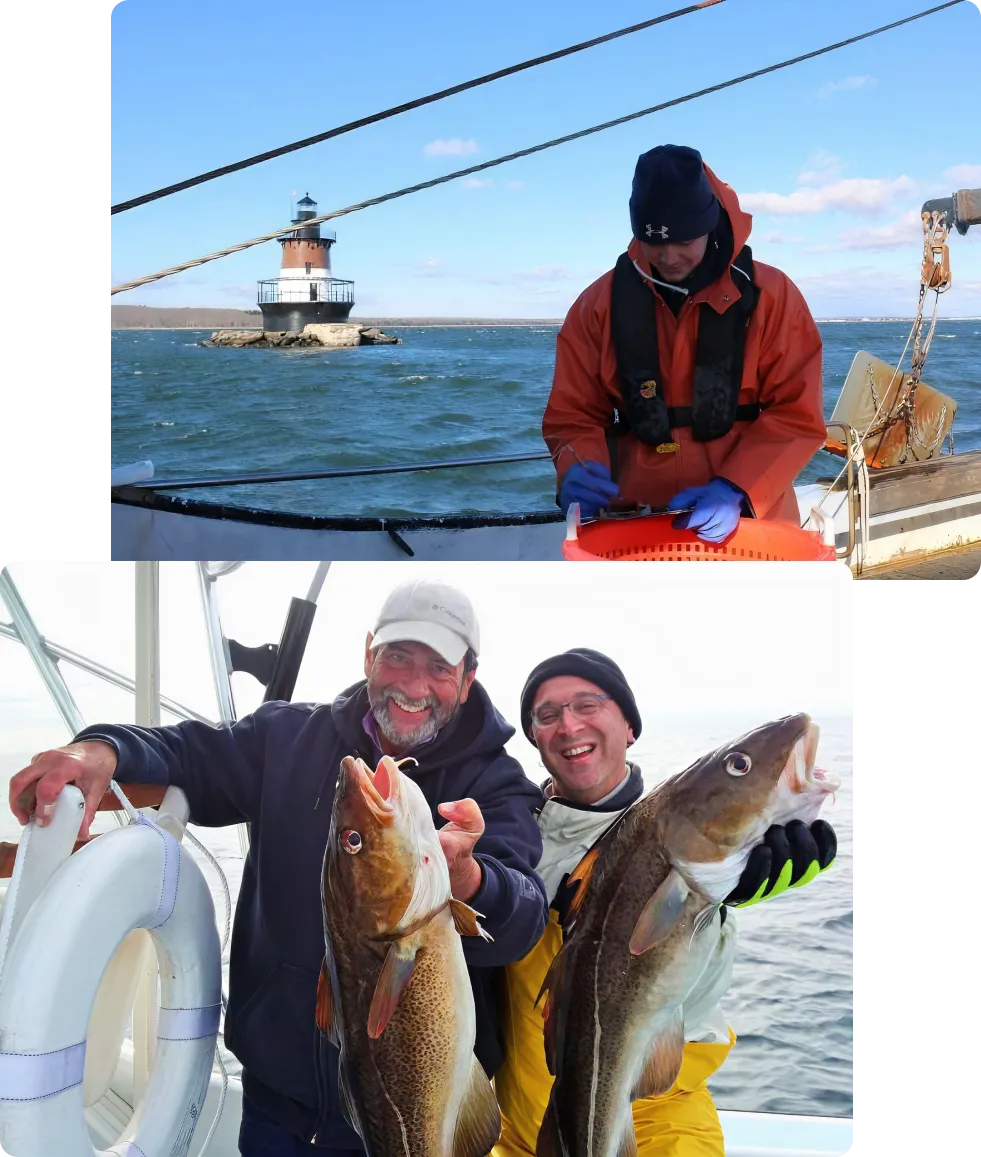
The people sustainably fishing and harvesting food from the ocean.

The people working to protect coastal communities from climate change.

The people serving others as they experience our water-based recreational assets and communities.

The people working in our defense sector to protect our citizens, coastlines and critical assets.

The people working at our ports and those that support them.

The people building boats as well as advanced manned and unmanned underwater vehicles.
While Rhode Island has historically benefited from the ocean, we see an opportunity to act more strategically in this next chapter. The Blue Economy opportunity can be both economically impactful and inclusive if we execute a series of actions defined in the Action Plan.
By
The
Numbers
The total impact of the Rhode Island Blue Economy is estimated to be $5.2 billion and more than 36,500 jobs.
The table below defines the direct value and employment across aquaculture, defense, fisheries, marine trades and hotel and lodging. This definition includes federal data from the Economics: National Ocean Watch (ENOW) program gathered by the National Oceanic and Atmospheric Administration (NOAA), as well as data defined and gathered by Rhode Islanders in sectors with no significant overlap with federal data.
| SECTOR | VALUE | JOBS | DESCRIPTION | SOURCE |
|---|---|---|---|---|
| Aquaculture | $6.95 million (farm gate) |
222 | Farm gate for shellfish aquaculture | CRMC 2021 |
| Defense | $3.16 billion (direct effect) |
16,011 | Federally funded defense activities and industries. | SENEDIA 2017 |
| Fisheries and Related (net of charter) |
$151.5 million (direct effect) |
2,965 | Harvesting and processing capacity of the fishing industry, in addition to support businesses and organizations. No charter. | Sproul, T., personal communication, Nov 5, 2019 |
| Marine Trades | $1.45 billion (direct effect) |
13,337 | Boat building, repair, and retail industries, diving and marine construction industries, and select tourism and recreation industries, including charter | Sproul 2018a, 2018b, 2018c |
| Hotels and Lodging (coastal communities) |
$428 million (direct effect) |
3,999 | Hotel and lodging establishments located in Rhode Island zip codes adjacent to the coast. | Sproul, T. |
| TOTAL | $5.2 billion | 36,534 | ||
The blue economy is an important economic driver to the State of Rhode Island, including the following job and productivity impacts:
-> Jobs: Employment within Rhode Island’s Blue Economy represents 5.7% of the state’s overall employment — nearly twice the concentration of Blue Economy workers compared to Massachusetts, Connecticut, California, and Texas.
-> GDP: The Blue Economy accounts for 8.8% of Rhode Island’s total gross domestic product (GDP).
-> Productivity: Because the Blue Economy contributes a higher share of state GDP (8.8%) than its employment share (5.7%), Blue Economy jobs generate more economic impact than the average worker — producing a higher value-add per employee than the economy as a whole.